Bacillus thuringiensis

Bt is a soil-dwelling bacterium known for its natural insecticidal properties. It produces crystal (Cry) proteins that are toxic to specific insect larvae, particularly from the Lepidoptera (moths and butterflies), Coleoptera (beetles), and Diptera (flies) orders.
Bt is a gram-positive, spore-forming bacterium first discovered in 1901. It naturally produces insecticidal crystal proteins (Cry and Cyt toxins) during sporulation.
An alternative to overcomes Chemical Pesticides limitations like Pests develop resistance , avoid harm to beneficial organisms, remove residual toxicity affecting consumers and the environment and a best option to replace labor-intensive and costly practices
Development of Bt Brinjal using Genetic Engineering Process.
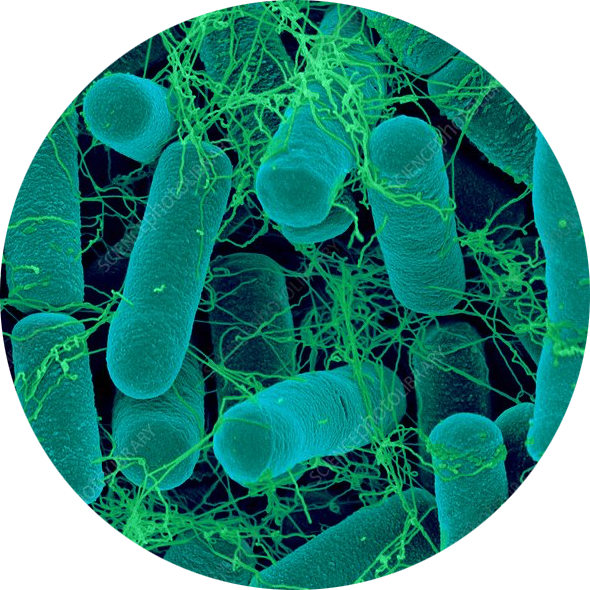
Bacillus thuringiensis (Bt) is a soil-dwelling bacterium known for its natural insecticidal properties. It produces crystal (Cry) proteins that are toxic to specific insect larvae, particularly from the Lepidoptera (moths and butterflies), Coleoptera (beetles), and Diptera (flies) orders.
Bacillus thuringiensis is a gram-positive, spore-forming bacterium first discovered in 1901. It naturally produces insecticidal crystal proteins (Cry and Cyt toxins) during sporulation. When susceptible insects ingest Bt spores or Cry proteins, the alkaline pH in their gut activates the toxin, which binds to gut receptors, creating pores in the midgut membrane. This disrupts nutrient absorption, causes paralysis, and eventually kills the insect.
Types of Bt Toxins
• Cry proteins: Effective against specific insect groups (e.g., Cry1Ac targets lepidopteran larvae).
• Cyt proteins: Active against dipteran insects, often in synergy with Cry toxins.
• VIPs (Vegetative Insecticidal Proteins): Produced during the vegetative phase, with different modes of action.
• Reduces pesticide use and associated health risks
• Enhances yields and profitability
• Eco-friendly alternative to chemical control
• Reduces crop losses from pests
• Regulatory hurdles and public scepticism
• Resistance management (to avoid pest adaptation)
• Need for farmer education and monitoring
• Intellectual property and access concerns
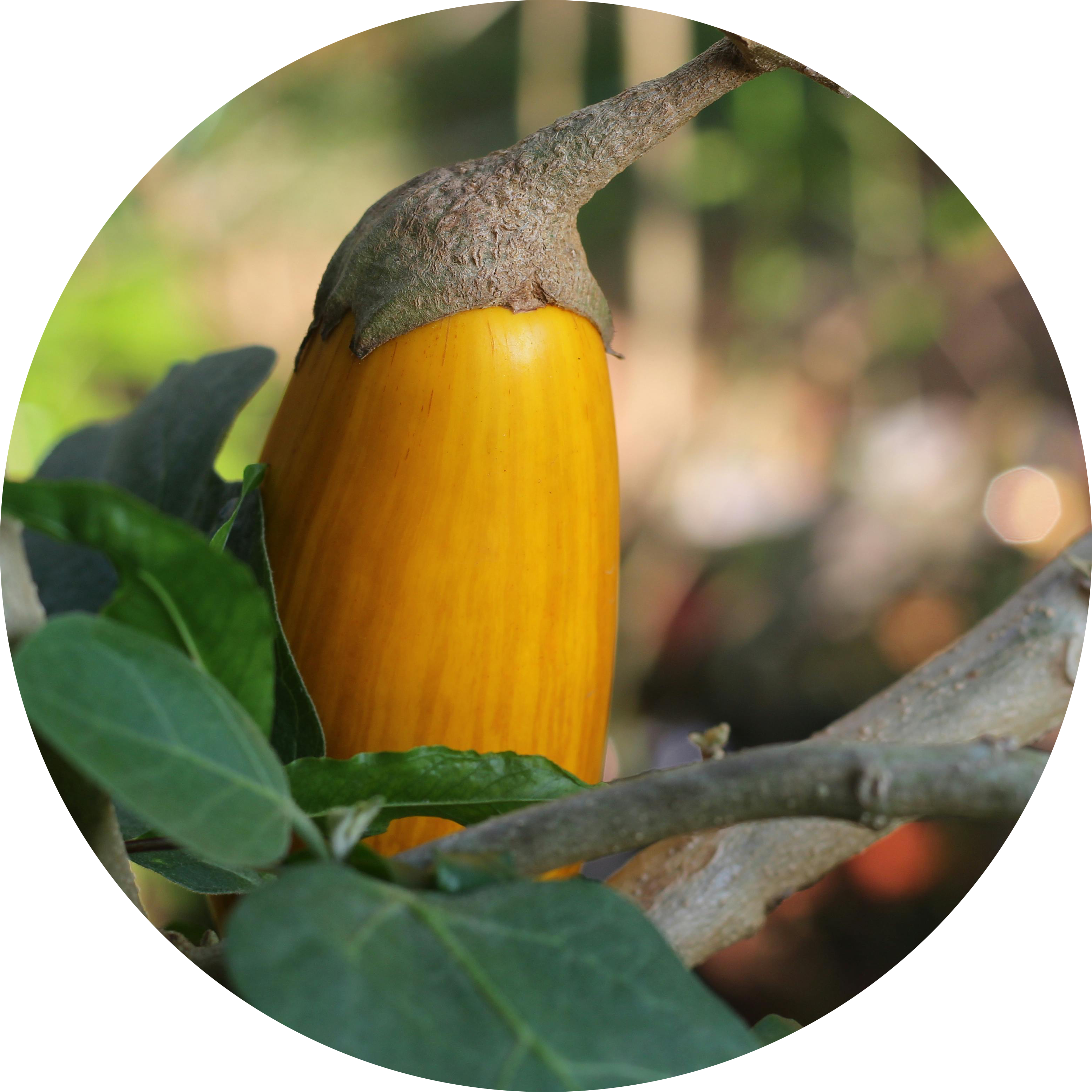
Brinjal (eggplant or aubergine) is a vital vegetable crop in South and Southeast Asia. It provides dietary fiber, vitamins, and antioxidants. It is also a staple in many regional cuisines and an essential source of income for smallholder farmers. Major Pests Affecting Brinjalis Brinjal Fruit and Shoot Borer (Leucinodes orbonalis): A major pest causing significant damage to shoots and fruits. The main economic Losses in Brinjal Cultivation is yield losses which can be the range from 50–70% due to pest infestations. Farmers often spray pesticides 30–80 times in a single growing season, increasing costs and health risks.
Few Limitations of Chemical Pesticides
• Pests develop resistance over time.
• Harm to beneficial organisms.
• Residual toxicity affecting consumers and the environment.
• Labor-intensive and costly practices.
Process involved in Development of Bt Brinjal
Genetic Engineering Process
Scientists inserted a synthetic gene coding for the Cry1Ac protein into the brinjal genome using Agrobacterium-mediated transformation. This gene enables the plant to produce the Bt toxin internally, killing borers that feed on it.
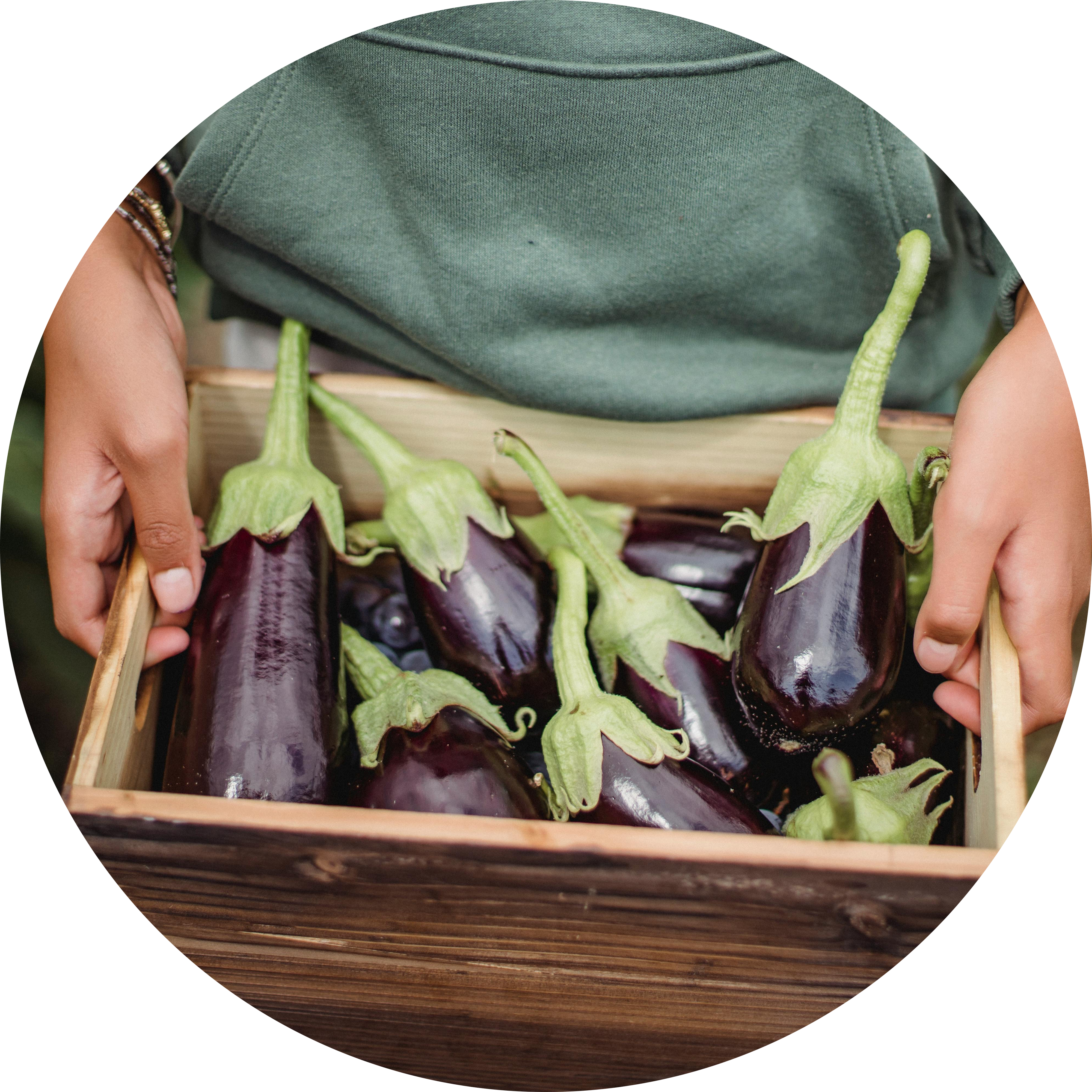
Traits Introduced in Bt Brinjal
• Resistance to Fruit and Shoot Borer (FSB)
• Reduced need for pesticide application
• Improved crop health and yields
Organizations Involved
• Mahyco (Maharashtra Hybrid Seeds Company) collaborated with Monsanto and later partnered with public institutions under the India-U.S. Agricultural Biotechnology Support Project (ABSP II).
• In Bangladesh, Bangladesh Agricultural Research Institute (BARI) played a central role in field trials and approval.
List of Bt Brinjal Varieties Developed in Bangladesh
• BARI Bt Begun-1 (based on Uttara)
• BARI Bt Begun-2 (Khotkhotia)
• BARI Bt Begun-3 (Nayantara)
• BARI Bt Begun-4 (Islampuri)
Each variety was developed to match local agro-climatic conditions and farmer preferences in Bangladesh.
These varieties consistently show high resistance to FSB infestation with 90–95% effectiveness, reducing damage and improving marketable yield.
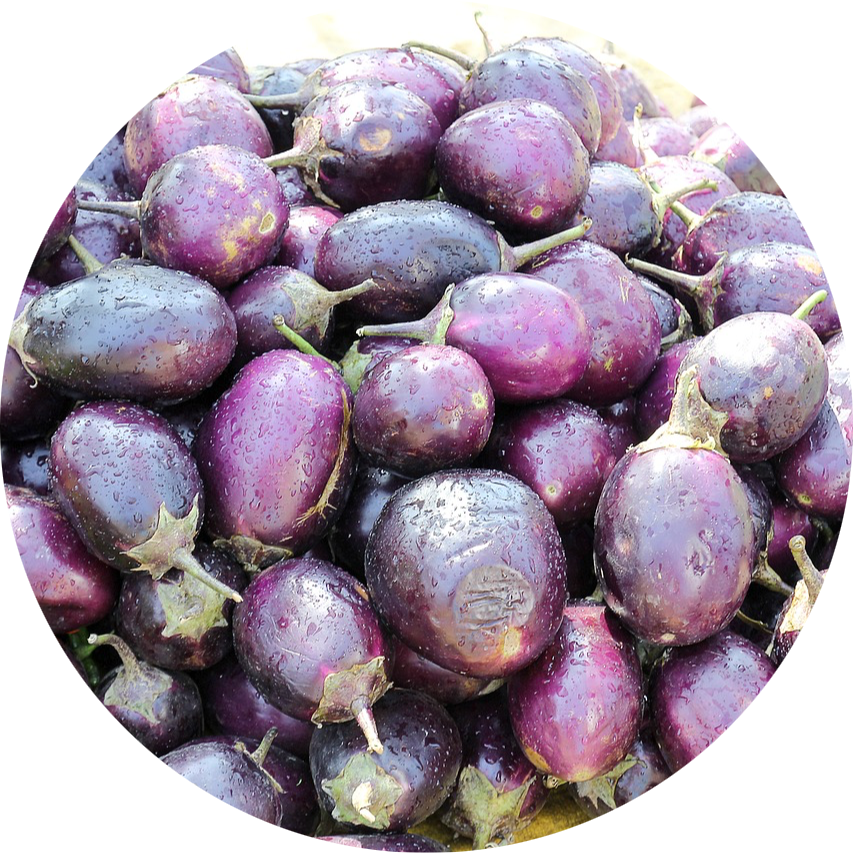
Comparison of Bt vs. Non-Bt Brinjal
Bt brinjal performs significantly better with lower pest incidence and reduced crop damage.
Farmers reported a 70–90% reduction in insecticide use.
Safer working conditions and environmental benefits.
30–45% increase in marketable yield.
Better fruit quality due to less damage from pests.
Environmental and Health Safety Assessments Conducted
Extensive biosafety and food safety assessments were conducted by regulatory bodies in India and Bangladesh, including allergenicity and toxicity tests.
Studies have shown minimal to no impact on beneficial insects (e.g., pollinators, predators), earthworms, and soil microflora.
Cry1Ac protein has been tested for acute oral toxicity, allergenicity, and heat stability. No evidence of harm to humans or animals was found.
Regulatory Status and Public Perception
Countries Where Bt Brinjal Is Approved
• Bangladesh (Approved in 2013, commercial cultivation continues to expand)
• India: Approval was placed on indefinite moratorium in 2010 despite clearance by the Genetic Engineering Appraisal Committee (GEAC).
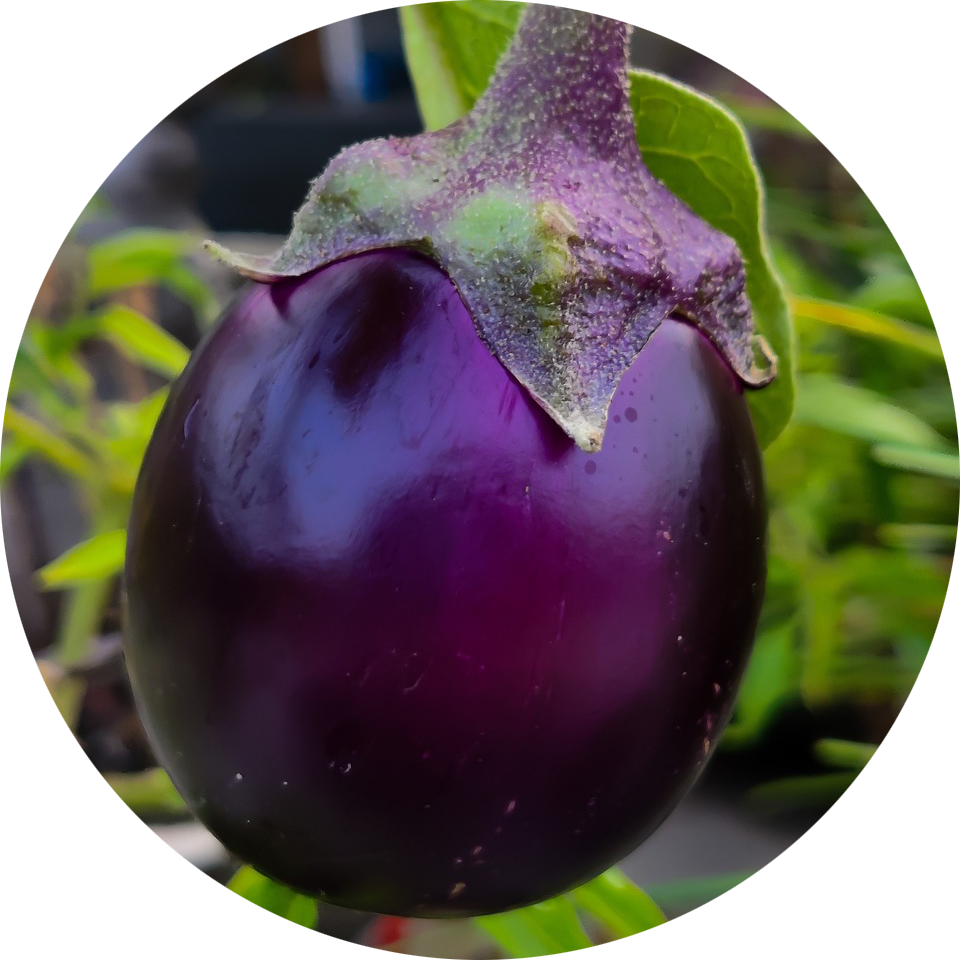
India's moratorium is due to public concern and lack of consensus. No other country besides Bangladesh has approved Bt brinjal to date.
In Bangladesh: Positive reception by farmers due to reduced pesticide costs and better yields.
In India: Mixed opinions; some farmers and scientists support it, while civil society and environmental groups remain sceptical.
Conclusion
Advantages
• Reduces pesticide use and associated health risks
• Enhances yields and profitability
• Eco-friendly alternative to chemical control
• Reduces crop losses from pests
Main Challenges
• Regulatory hurdles and public scepticism
• Resistance management (to avoid pest adaptation)
• Need for farmer education and monitoring
• Intellectual property and access concerns